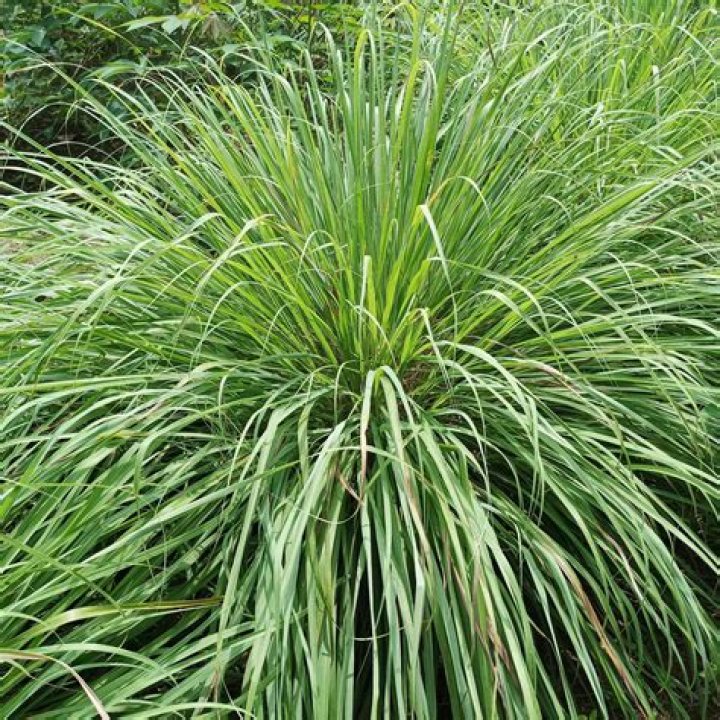
how to identify lemongrass

Emma Johnson
Published Apr 05, 2026
Lemongrass is easy to identify by its pale yellow-green stalks and aromatic citrus scent. It has a resemblance to green onions, with a bulbous bottom but has woody, tough stalks. The flavor of this citrusy herb is a unique blend of tart lemon with the brightness of mint.
What is lemongrass and what does it look like?
Lemongrass look a little like fat spring onions, with the same swollen base, but the stalk is woodier, and composed of tightly packed grey-green leaves. The fragrance and flavour is unique – lemony, but sweet – and is quite subtle until the stalk is cut or bashed. The stalks are available freeze-dried, too.
What plant looks like lemongrass?
While Citronella grass is similar and also edible, it is in fact a part of the geranium family. It is easy to tell the difference between citronella grass and lemongrass as lemongrass has a yellow-green color with a white base, while citronella grass has a reddish tinge towards the base.
What kind of lemon grass do I have?
Two varieties are commonly found in nurseries: West Indian lemon grass (Cymbopogon citratus) and East Indian lemon grass (Cymbopogon flexuosus). Both can be used for cooking, but the thicker West Indian variety is better.
How do you pick good lemongrass?
Look for lemongrass that is firm and pale yellow-green with a bit of a bulb at the end. The top of the stalk should look relatively fresh; they tend to dry out quickly so they may not look like they were just harvested but they shouldn’t be browned or sad looking.
Does lemongrass smell like lemon?
Native to Africa, Asia and Australia, lemongrass plant stalks smell just like lemons. Whereas, the scent of lemongrass oil is fresh and light with a hint of lemon.
What part of lemongrass is edible?
But while only the lower bulb of the lemongrass stem is edible, every portion of the stalk has a role to play in the kitchen. The fibrous upper section of the stalk is full of tons of lemony, gingery goodness.
What’s lemongrass good for?
Lemongrass might help prevent the growth of some bacteria and yeast. Lemongrass also contains substances that are thought to relieve pain and swelling, reduce fever, improve levels of sugar and cholesterol in the blood, stimulate the uterus and menstrual flow, and have antioxidant properties.
Is lemongrass toxic to dogs?
Lemongrass ingestion can lead to vomiting, diarrhea and other gastrointestinal issues when eaten in large quantities. If you dog ingests a small amount, it most likely will not cause harm but if you are concerned, always contact a veterinarian or the ASPCA Poison Control.
Is lemongrass an annual or perennial?
Lemon grass is an easy-going tropical plant that is quite happy in full sun and average garden soil. It is a tender perennial, hardy only in Zones 9-10.
Do snakes like lemongrass?
Lemongrass produces a citrus smell that deters snakes. Citronella is also a by-product of lemongrass, which mosquitoes detest. This is one of the best plants that repel snakes, mosquitoes, and even ticks from your garden. Lemongrass is drought-resistant and easy to maintain.
Are there different varieties of lemongrass?
There are two of the 55 species in the genus Cymbopogon that are used almost interchangeably as lemongrass. The so-called East-Indian lemongrass (C. flexuosus) (also known as cochin or Malabar grass) is native to India, Sri Lanka, Burma and Thailand, while West-Indian lemongrass (C.
Which lemongrass is not edible?
Cymbopogon citratus
Lemon grass oil is extracted from lemon grass and the inedible type of lemon grass commonly referred to as citronella grass.
Which variety of lemon grass is best?
The best known cultivated variety is ornamental lemongrass (Cymbopogon citratus), which is prominently featured in Cambodian, Vietnamese and Thai cuisines. The plant lends a lemony aroma and flavor to soups, curries, teas and other beverages.
Is it OK to eat raw lemongrass?
You can eat the whole lemongrass, including the stalk. However, the stalk itself is tough and hard to chew. For this reason, you may want to remove the stalk before consuming the raw lemongrass.
Can you use the green part of lemongrass?
The upper end the stalk will be mostly green and woody but is still useful in cooking soups and curries. Reserve this top end of the stalk for your recipe. Do the same for the other stalks, depending on how many stalks or tablespoons of prepared lemongrass the recipe calls for.
Does lemongrass grow back after harvesting?
But not to worry! Lemongrass roots are typically hardy in zones 8b and 9. With a frost blanket or heavy layer of straw mulch over the soil, the plant has a good chance of returning year after year (even when the leaves die back).